
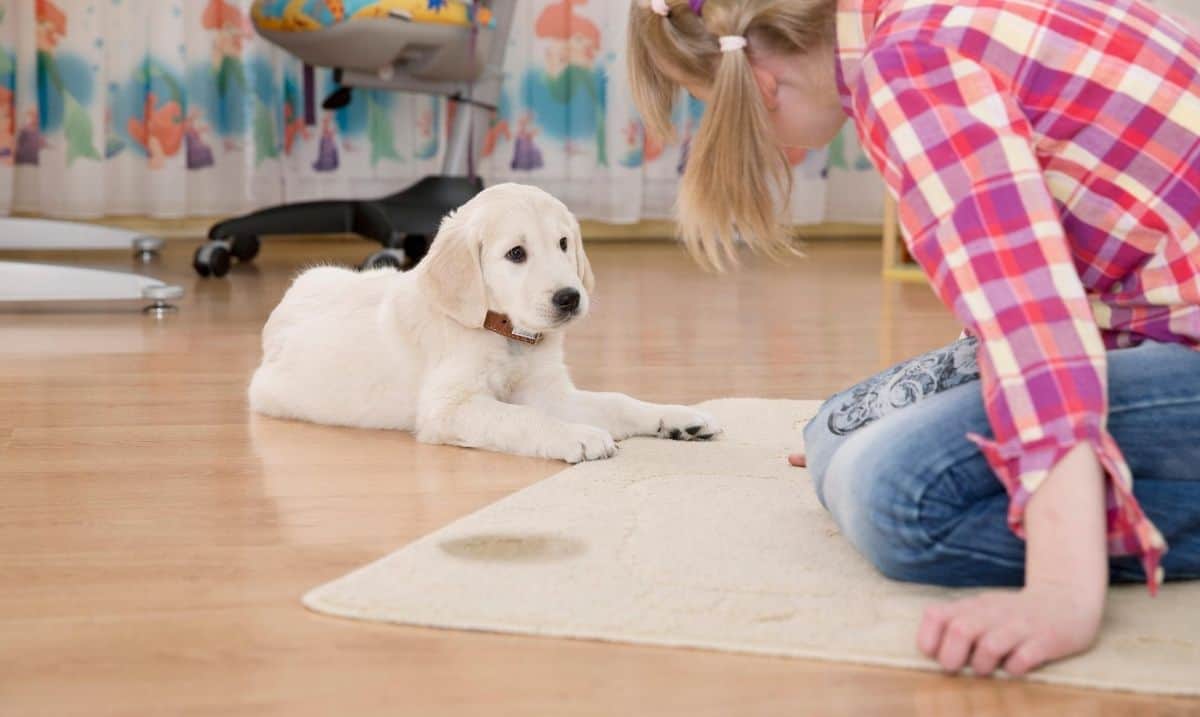
How Soon Should Puppy Training Start?*
*GUEST POST
A well behaved and adjusted dog is a happy dog. Not only will it be comfortable at home, but it will also be easy on the pet parent when his/her dog is not having behavioural problems or accidents. But, you will have to put consistent effort in training every since you get him as a puppy. This effort is worth it when you are able to turn your puppy into an obedient dog through consistent and proper training.
When it comes to raising a puppy, knowing when to begin training sessions can be difficult. Everyone seems to have a different opinion when asked how old should puppy training start, and even dog training books and manuals seem to change from author to author. The fact is puppy training can start as soon as both the pup and owner are familiar with each other.
Many dog breeders believe that simple training can begin as soon as the puppy is able to leave their mother for short periods of time. Though these first few sessions only consist of handling, feeding and voice recognition, they are proven to be important in the dog’s overall development as a family companion.
Once a puppy is adopted and brought home by their new owner, additional training can begin. These first owner/dog sessions should start as soon as the puppy has become familiar with his or her new surroundings.
Related: ‘6 Dog Dental Care Tips Every Owner Should Know‘
Getting Started
The most vital step in the first few days of training is to ensure that the pup becomes comfortable with their new name. By repeatedly referring to the puppy by their name, an owner can achieve the initial communication needed to progress towards more complex vocal commands. Once the puppy is familiar with their name and responding to it regularly, then an owner can move on to simple obedience commands such as sit, stay and lay down.
Some owners will feel that this type of training is best left until the puppy is much older, and believe that the first months of puppyhood should consist mostly of play-time and affection. Though affection and fun play is essential, the longer training is avoided, the harder it will become. Older dogs can become set in their ways quite easily and can be stubborn to learn new commands. The old saying “teaching an old dog new tricks” is accurate, and applies to teaching obedience as well.
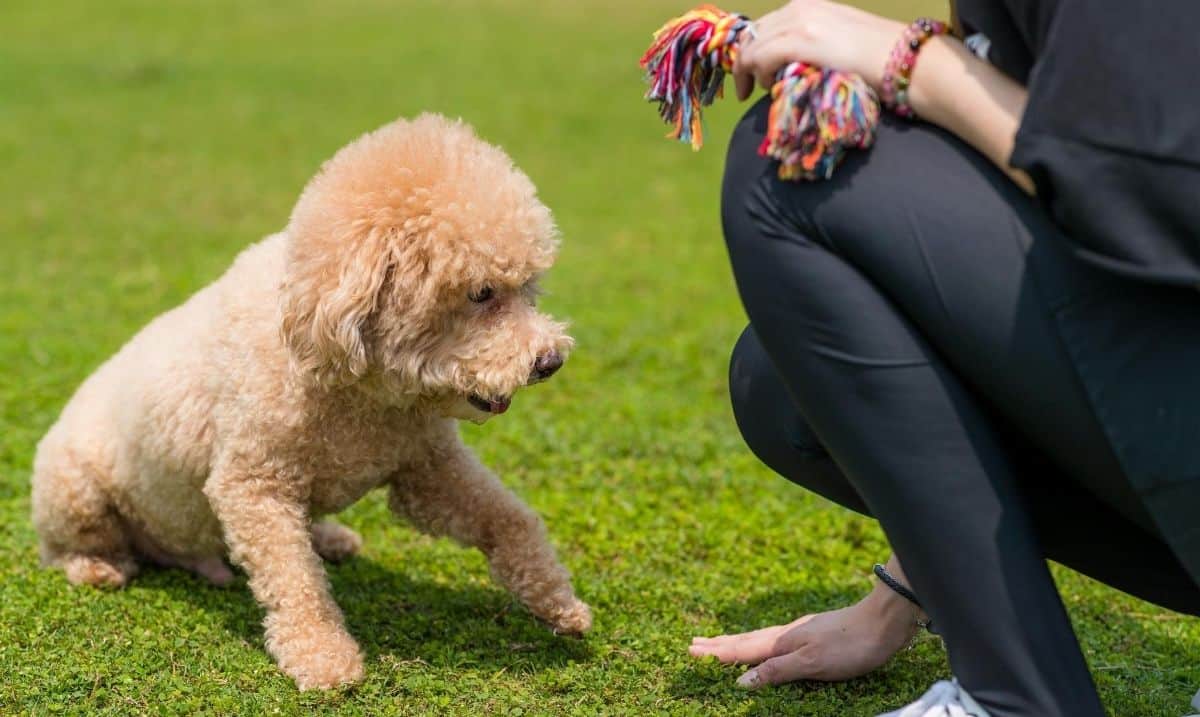
How To Get Your Puppy To Understand You?
Are you wondering how to get your puppy to understand you?
Consistency is the answer!
If you are wondering how to get your puppy to understand you, you are not alone. Many new puppy owners are often confused by the amount of information available and are unsure which training method is the most reliable, comprehensive and effective. First time pet owners are prone to getting frustrated when their new puppy does not respond to their name or listen to their commands. However, the secret to successful dog training is rather simple: positive reinforcement.
Whether you choose traditional vocal commands, whistle training, or even a clicker method, all training is more likely to be successful when accompanied by a few floppy ear scratches, tummy rubs and tasty treats. Ensuring that these sessions are regular instead of once a month will go a long way in ensuring that your dog is well on your way to become a well trained one.
Related: ‘How to Puppy Proof Your Home: What You Need to Know‘
Positive Reinforcement
Positive reinforcement lets your canine companion know that what they have done has pleased you and to them, there is no greater joy than knowing you are happy. Positive reinforcement can also be a great way to get other family members involved in your dog’s obedience training.
Young children will especially love to be the “doggie do-gooders” and shower their new furry friend with affection when he has completed a job well done. Positive reinforcement can also encourage your dog to listen, obey and respect more than one member of your family. If they come to realize that all family members will appreciate their obedience, they will grow to be a well rounded, welcoming and loyal family pet.
Some training methods do frown upon positive reinforcement and will try to convince you, the new puppy owner that consistent treats and affection will only lead to a spoiled and needy dog. However, this is not true, and many reputable dog training guides are built on a foundation of love and affection.
Knowing how to get your puppy to understand you can be frustrating and time-consuming. Still, as a responsible dog owner, you must show your dog and any other animal for that matter, gentle consideration and respect.

The Final Takeaway
If you come across a training method that insists on inhumane discipline or punishment, do not for even a minute, consider its use. By using positive reinforcement as your core training principle, your puppy will not only grow to understand you but live a longer, happier and more joyful life.

About the Author
Mir Ali is a pet lover and loves to write on all aspects of pet care, health and training on atozpetcare.com.

We used tiny treats as positive reinforcement when Penny was training, They were special ones that we only used at that time (as opposed to the dog biscuits that the grandkids regularly handed out).
Great tip!
great tips and great site – i will definitely be visiting more
Thank you!
Great post. I remember when we picked up our Cavachon Kirby to bring him home. One of the first decisions
we had to make was whether to keep or change his name. We kept it but had to re-enforce and use it constantly
until he got used to it. Thanks for sharing!
Little things like that are so important! I rescued Dav at 1 year old and changed her name (she was Copper) but it took time and a lot of repetition.
Thank you for making it all clear! Glad I stopped by your blog.
Keep sharing!
Thank you!