

How to Spot a Backyard Breeder
With the growing love for companion animals, the demand for dogs and cats has grown significantly in recent years.
While this may seem like great news at first glance, allowing more pets to find their forever home, it has also led to the rise in backyard breeders, puppy mills, and cat mills.
These money-hungry individuals are good at hiding their true intentions under the guise of being caring breeders or even animal rescues, exploiting animals for their bottom line.
This article will help you weed through the noise and find a breeder or rescue that you can feel good about supporting.
Let’s look at how to spot a backyard breeder and why you should avoid supporting them at all costs!
What is a Backyard Breeder?
The term Backyard Breeder is used to describe dog and cat breeders that are breeding their animals with little or no experience of what goes into the process of responsible breeding.
There are many reasons why they may be choosing to do this, including just ‘for fun’, because they believe their pet ‘deserves to have a litter’, or to take advantage of the money to be made by selling puppies and kittens today.
This is where it can get a little difficult… Not all backyard breeders have poor intentions.
They may even come across as loving and caring pet owners, treating the animals that they breed like family pets.
However, at the end of the day, it still leads to the breeding of animals without care for their long-term health and well-being while adding to the problem of overpopulation.
This can create concerns both for the breeding animals as well as the puppies or kittens that they are selling.
Puppies and kittens coming from these conditions often haven’t received the proper veterinary care, meaning that they may appear healthy at the time of adoption but could develop preventable serious or deadly diseases or defects in the near future.
The key here is not just that they are amateur breeders, but they are amateur breeders that aren’t trying to learn or improve their knowledge.
This lack of knowledge or guidance, either from experienced breeders or veterinarians, can lead to an increased risk of genetic health concerns associated with the breed.
Examples of common conditions include:
- Hip and elbow dysplasia
- Blindness
- Deafness
- Heart defects
- Skin problems
- Epilepsy
- Cancer risks
- Inflammatory bowel disease
- Diabetes
- Allergies
Additionally, they are putting their breeding animals at risk of pregnancy and birth complications that could be fatal if left unaddressed.
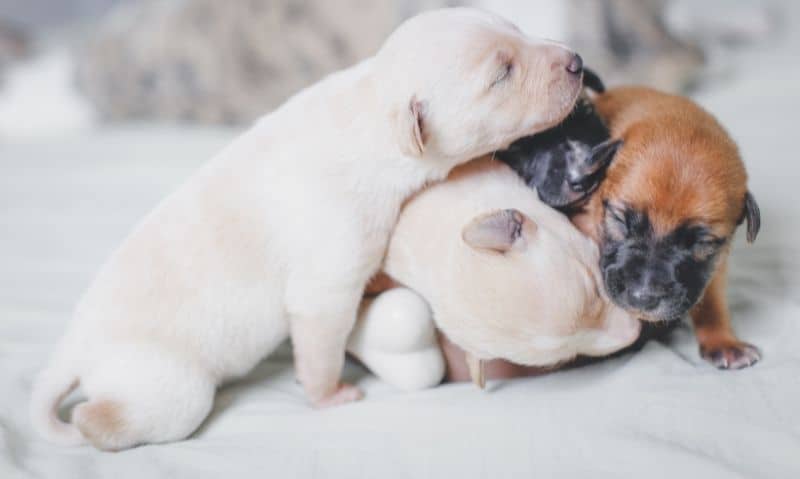
Backyard Breeder Vs. Puppy Mill or Cat Mill
Unlike backyard breeders that are often working on a smaller scale, puppy mills and cat mills can be compared to a large commercial operation.
They are looking to mass-produce dogs and cats to make as much money as possible without concern for how this could impact the animals in their care.
These shady operations often involved cramming large numbers of dogs or cats into small cages and kennels, denying them any opportunity to feel the love and affection that they deserve.
Often, these animals don’t even have the opportunity to experience sunlight or walk in the grass.
Instead, they spend their lives locked away with only one purpose in life, to produce as many puppies or kittens as possible until they are no longer seen as having value.
When they can no longer breed, they are discarded as trash or destroyed.
The animals live in horrible environments with many living in their own filth, receiving little to no veterinary care to address any health concerns.
Many suffer from dehydration, malnutrition, or starvation.
The kittens and puppies born in these horrible conditions are taken away from their mothers at a young age, fear earlier than they should be.
This causes many to suffer from serious behavior problems throughout their lives.
Additionally, the lack of proper veterinary care means that their health at the time of adoption is questionable at best.
Puppy mills and cat mills are simply backyard breeders on a much larger scale, creating even worse conditions for the animals they pretend to care about all in the name of a profit.
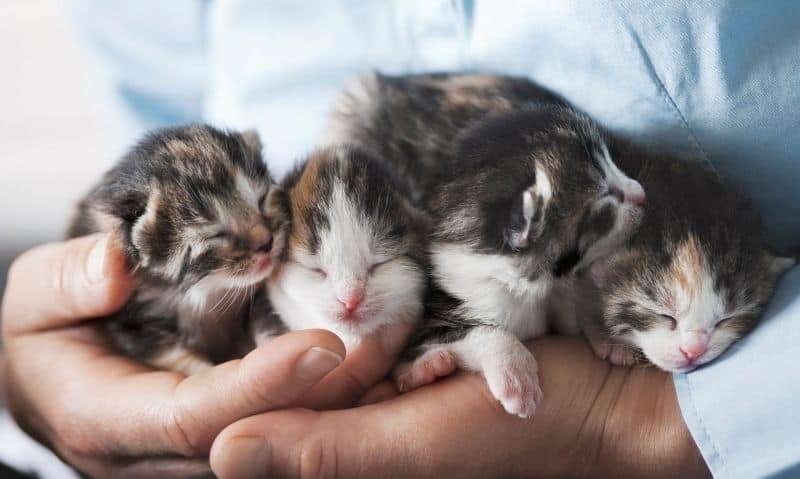
Backyard Breeders Vs. Reputable Breeders
It is important to note that not every breeder falls under the definition of a backyard breeder!
There are many incredible breeders out there dedicating their lives to producing the healthiest, best examples of the breed that they love.
They are highly knowledgeable about the breed that they are most passionate about, spending time researching, learning, and working closely with their trusted veterinarian.
Responsible breeders are familiar with the lineage of the dogs they are breeding, focusing on those with the best genetic health, appearance, and temperament.
They invest considerable money into screening and genetic testing both on the breeding parents and the puppies or kittens that they produce.
Passionate about the breed that they are working to improve, a responsible breeder will even take a financial setback, if necessary, to prioritize the health of the animals in their care and the breed as a whole.
During the process of finding the right home for the puppies or kittens, they will carry out strict screening.
If a home doesn’t work out, they will readily take the puppy or kitten back so that they can find an appropriate new home and ensure that they don’t end up in a shelter or a less than ideal situation.
In short, they are committed to their breeding animals, their line, and to any puppies or kittens that they produce.
What About the Animals in Their Care?
Many animal lovers justify their choice to purchase a puppy or a kitten from a backyard breeder due to the fact they are ‘saving them from those conditions’.
You want to save every animal in need, I understand, I struggle with that same desire.
Unfortunately, purchasing a puppy or kitten from a backyard breeder, puppy mill, or cat mill will only encourage them and provide funding to continue their efforts.
If you suspect abuse or neglect, contact your local authorities and file an official complaint.
You can also report any postings advertising their pets on Facebook, Craigslist, Kijiji, or other marketplace-style websites, however, anything short of completely shutting them down will continue to leave animals in danger.
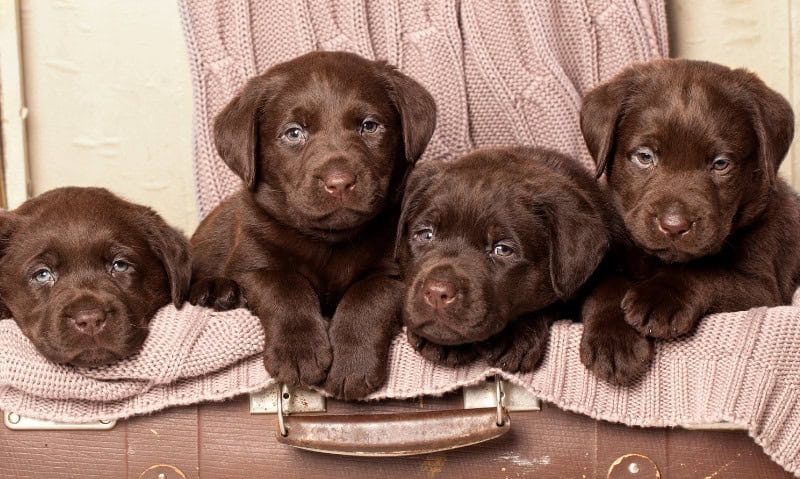
10 Ways to Spot a Backyard Breeder
While there are some obvious signs that there could be something wrong, such as pets that are visibly sick or poorly cared for, many backyard breeders are able to fly under the radar.
There are some red flags that will help you identify a problem during this stage.
Lack of Questions/Screening
If you inquire about purchasing a puppy or kitten from a breeder, pay attention to the screening process that follows.
Are they asking you about your history with pets? Your living situation? Your current veterinarian?
A failure to screen those interested in bringing a puppy or kitten home is a red flag, revealing that they are more concerned about the money than finding the ‘right’ home.
‘Designer’ Hybrid Breeds
There has been a huge surge in so-called designer breeds, however, those that are serious about breeding will tell you that simply combining two breeds doesn’t make a new breed.
These are mixed breed puppies or kittens that they are giving a label to charge a higher price.
Not that there is anything wrong with a mixed breed (all three of mine are), the red flag lies in the attempt to manipulate new pet owners into paying more.
Remember, as we mentioned above, responsible breeders are focused on the quality of the breed line.
Not only does mixing breeds randomly go completely against this focus, but you also can’t predict the genetic qualities and temperament that will carry through to the puppies or kittens.
Puppies/Kittens are Being Sold Underage
The connection that puppies and kittens have with their mother is necessary for them to develop properly.
For this reason, they should not be rehomed until they are at least 8 weeks old, with many breeds preferring to wait until 12 weeks of age.
If you see a ‘breeder’ selling underage puppies or kittens, that is a clear sign that they are more interested in the money and moving onto the next litter than they are in the health and well-being of the animals in their care.
‘Breeders’ Avoid Sharing Their Facilities or Breeding Pairs
One question that you should ask of every breeder is to see their breeding pairs and their facilities firsthand.
A responsible breeder will happily invite you to do so, proud of the dogs they are producing and more than willing to share the efforts that they are putting into breeding the healthiest animals possible in every way.
Any ‘breeder’ that isn’t willing to let you see either the full premises or breeding pairs is a red flag.
If it feels like they are hiding something from you, there is a good chance that they are.
They Are Advertising Several Breeds
The commitment that a breeder has to the breed that they are passionate about is the driving force for all that they invest in their efforts, including time and money.
They are specialists in that breed, learning everything they can about them.
If a single breeder is advertising puppies or kittens across a wide variety of breeds, they are likely just in it for the money.
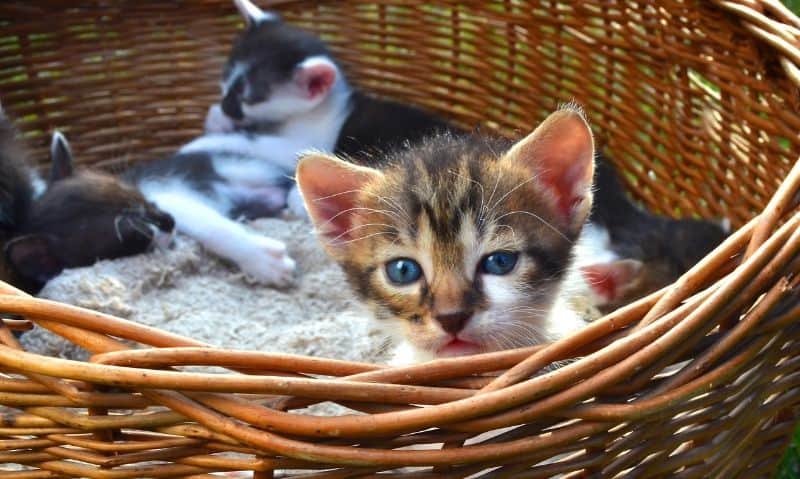
Unable to Answer Your Questions
This is another red flag that the ‘breeder’ isn’t the breed specialist that they are portraying themselves to be.
If you are asking questions about the breed, its temperament, its specialized care, or the lineage of the puppies or kittens you are considering and the person you are talking to can’t answer you, it’s time to look elsewhere.
You want to find a breed expert that is truly committed to producing the best-possible puppies or kittens of that breed.
For them to do that, they will need to know the breed and its needs in detail.
They Refuse to Provide Proof of Screening or Veterinary Records
If an adorable puppy or kitten catches your eye, don’t be afraid to ask for proof of health/genetic screening and veterinary records.
This includes basic care, including vaccinations and deworming.
Failure to provide this or skirting the question is a red flag that the animals may not have been given the proper care.
No Guarantee or Contract
A reputable breeder is dedicated to the health and well-being of their line, and this includes standing by their puppies or kittens.
This means that there is a contract, agreement, or guarantee in place to protect everyone involved.
This includes a health guarantee (if the puppy/kitten experiences health problems), taking the dog back if the home doesn’t work out, and other conditions focused on the well-being of the animal.
Many breeders will include a clause requiring their puppies or kittens to be spayed/neutered unless otherwise agreed upon.
Sales or Low Pricing
Did you come across an advertisement that focuses on the fact that they can offer you a puppy or kitten at a discounted rate?
If a breeder doesn’t value their dogs or cats appropriately, that’s a warning sign.
These are often backyard breeders, puppy mills, or cat mills that are looking for quick money without worrying about whether they are going to the best home.
They are Pushing You to Make a Sale
If you get the impression that the ‘breeder’ you are talking to is pushing you to say yes and commit, that’s a huge red flag!
A responsible breeder wants to help you make the right decision for both you and the puppy or kitten in question, which could mean that you do not buy one of their pets that day.
The fact that they are pushing you to commit even if you aren’t sure shows that they aren’t concerned about the long-term well-being of the animals.
As you go through the process, keep in mind that the goal of a reputable breeder is to place their puppies or kittens only in the best possible home.
This often means extensive screening and checking both on your part and theirs.
It can be frustrating that the process isn’t moving as fast as you would like, but these steps are necessary to ensure the best long-term situation for both you and your new family member!
Are you familiar with how to spot a backyard breeder? What red flags do you look for?
Feature Image Credit: JACLOU-DL | Canva

This is just so sad that some cruel people use innocent animals for making money. I think government should make law to punish such people.
There have been some laws and restrictions put in place, unfortunately, those responsible seem to be really good at finding the loopholes necessary to skirt the system.
I have some mass breeding dogs across from me. The dogs are kept in a shed and some are small and used for the bigger dogs to beat-up.
I’m sorry, that’s so hard to witness, especially considering the lack of legal recourses you can take and the fact that even when you do report it, they often get away with it. We lived beside a backyard breeder for about a year, and it was heartbreaking.