
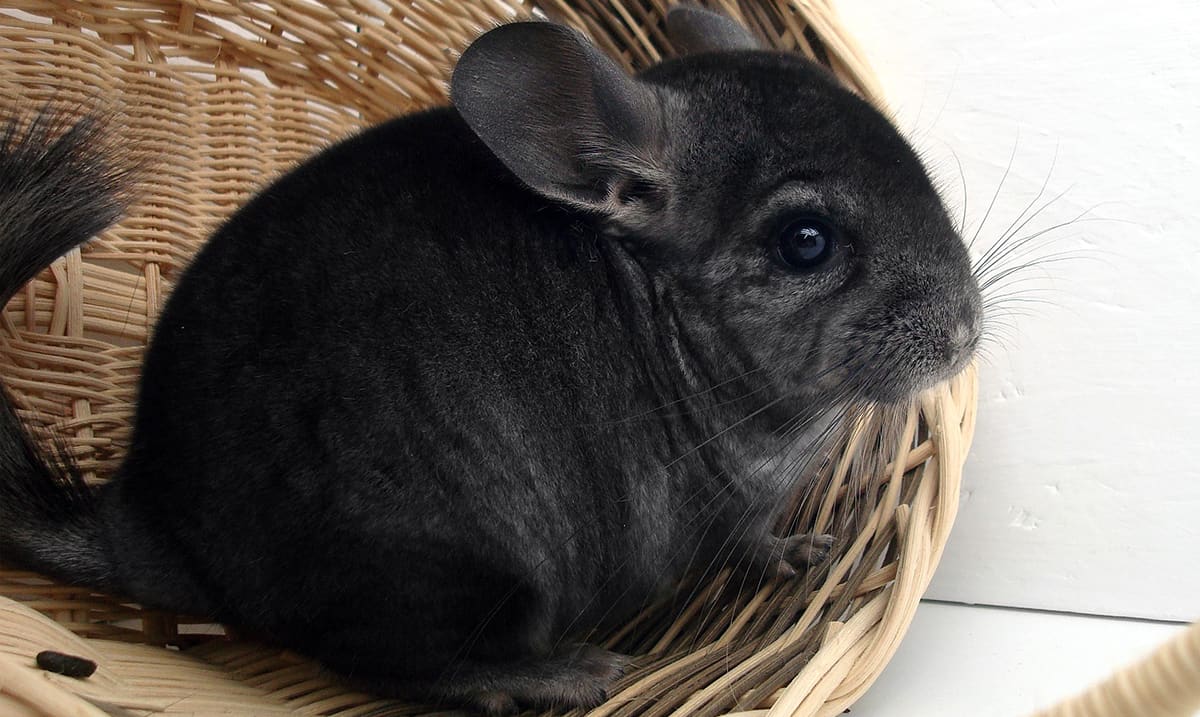
Considering Bringing Home A Chinchilla? Read This First
If you’re looking for a unique pet to add to your family, the chinchilla has quickly been gaining popularity across Canada and the United States. These cute and cuddly rodents are native to the Andes Mountains of northern Chile, largely sought after and hunted for their incredibly soft fur, however, they are in demand for a whole new reason. First permitted by the Chilean government to be transported to the United States in 1923, it took a while for the pet to truly catch on in popularity, but today they are part of the growing ‘small animal’ industry alongside rabbits, guinea pigs, and hamsters.
However, before you go running off to adopt one of these little furballs just because you think they look adorable, it’s important to do your research! As with every pet, there are going to be some pet owners and households that will be ideally situated for these little guys, while others may want to rethink their decisions looking at the other options that are out there. Remember, these are living, breathing animals – a long-term commitment.
The average chinchilla lives approximately 15 to 22 years and will grow to measure anywhere from 15 to 20 inches from their nose to the tip of their long tails. Like other small animals, they certainly can be tamed to be handled and bond with their owners, but if you’re looking for a super cuddly pet then you may be better suited with a dog or cat. Each animal shows their love and affection in their own way and snuggling up in your arms isn’t high on a chinchilla’s list of fun things to do on a Saturday afternoon. It is also important to know that they have been known to nip when handled if they aren’t held just right, which leads many experts to recommend that they are housed with slightly older kids that can be taught proper handling with adequate supervision.
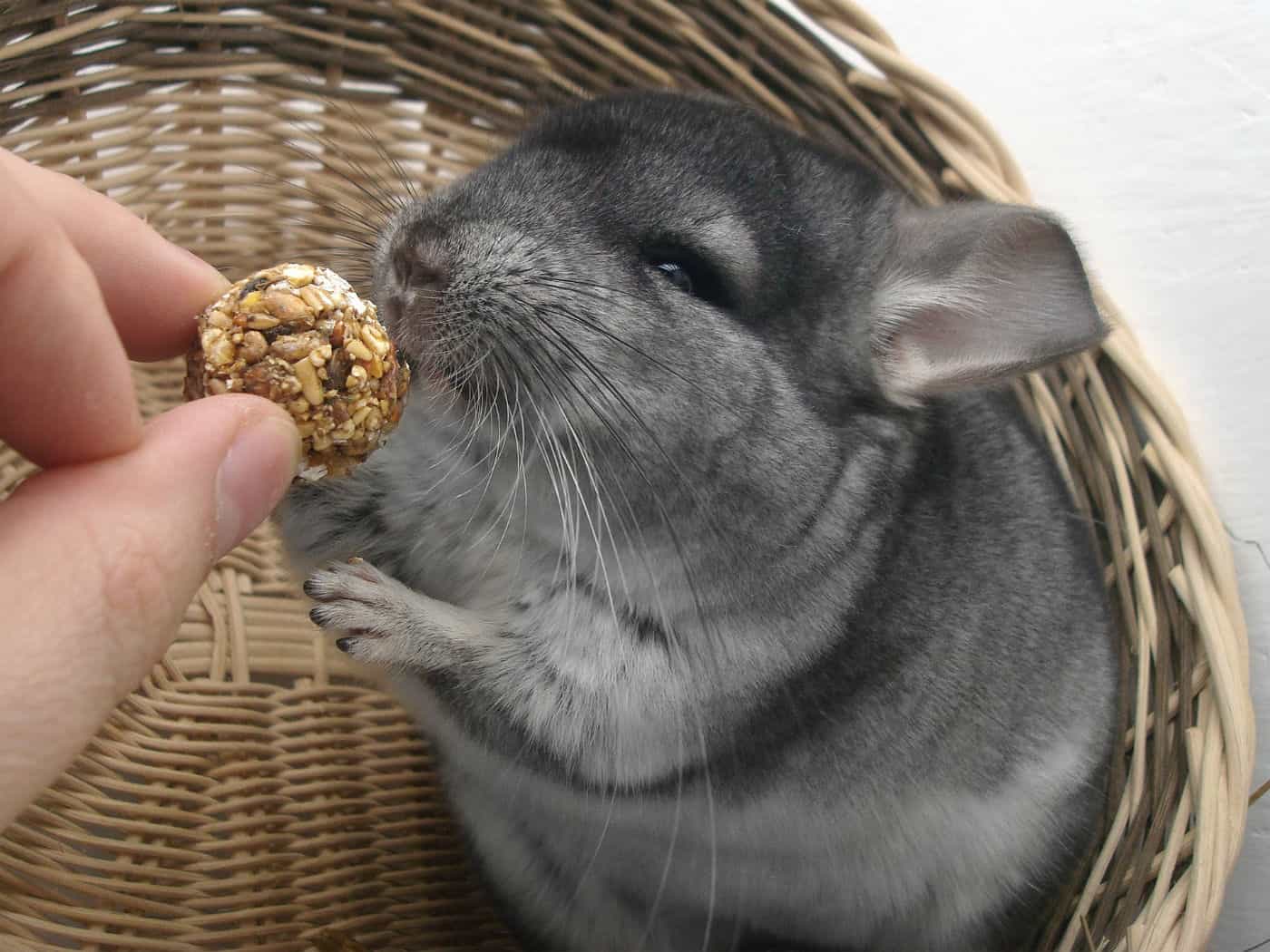
While they do live in a cage, like many of the other ‘smaller animals’ that we bring into our homes, these aren’t pets that can be simply put in a small cage up on a table anywhere in your home. They are prone to overheating, so their cage needs to be kept in a quiet, cooler area of the home with a temperature that doesn’t exceed 25C. The cage itself shouldn’t be smaller than 60 cm by 60 cm, and they prefer taller cages usually with shelves and ladders to create multiple ‘levels’ for exploration. As for construction, chinchillas have a habit of chewing on their cage and can easily destroy anything plastic, so it is highly recommended that owners stick with wire caging. The bottom tray should be lined with wood shavings or newspapers to make it easy to clean, as they aren’t the cleanest of pets to have in your home – be prepared to clean this out regularly!
On the topic of cleaning, if you’re looking for a pet that’s super clean, a chinchilla may not be the one for you. Unlike Fido, you should never bathe your chinchilla in water. Instead, they take dust baths in order to keep their unique, soft fur clean. The fine chinchilla dust should be made accessible regularly so that your pet can keep the oils in their fur under control. This isn’t just any dust or sand – it is a specialty product specifically designed to replicate the volcanic dust that is available to them in their natural habitat. Speak with your local pet store to discover the options available to you.
Finally, chinchillas are highly inquisitive and playful pets and can be destructive if they are allowed to get bored. To avoid this, they should be provided with a selection of different toys, and only allowed to roam freely in a room that has been adequately chinchilla-proofed to remove hazards like exposed electrical wires. Many commercially available wooden parrot toys will work great, just be cautious of any smaller or plastic parts that could be destroyed or ingested. They will also need good chew toys in order to keep their incisor teeth in optimal condition such as blocks of wood or pesticide-free tree branches. The addition of a wheel to their cage will also allow additional opportunity to burn that excess energy – just be sure to select one with a solid floor to avoid injury.
If, after doing your research, you believe that a chinchilla is a great fit for your family, take the time to research reputable breeders and rescue organizations. Remember, like any pet, there are both the good and the bad out there – it is your responsibility to do your homework! A happy, healthy chinchilla from a trustworthy individual can make a great pet for years to come.

Love your pet recommendations and tips! I once had a chinchilla and still have very fond memories. I’d love to adopt another one day!
They are such adorable and, quite honestly, underrated pets!