

How to Create a Stress-Free Sanctuary for Your Anxious Rescue Pet*
*GUEST POST
Adopting a pet is one of the best things you’ll ever do. With over 6 million pets entering shelters each year, bringing one home gives them a second chance at a wonderful life.
Plus, pets can help to reduce stress, boost your energy, and improve your overall health.
But what about your furry friend’s mental well-being? If they’ve been in a shelter for a while or they’re young and confused about what’s going on, they could be dealing with anxiety.
As a new pet parent, seeing your rescue pet deal with stress and anxiety isn’t easy.
Thankfully, you can transform your home into a stress-free sanctuary by addressing their needs and specific fears, and creating a safe and relaxing space they can turn to.
Having a safe space prepared – especially one separate from the rest of the house – will keep your pet from feeling overwhelmed and give them a chance to realize that they’re safe while you help them work through their anxiety.
Minimize Hazards
Before you start focusing on comfort in your pet sanctuary, prioritize safety. Obviously, you want your pet to enjoy the space and be able to relax there, but that’s likely not going to happen immediately.
If they’re anxious and antsy, they might try to find ways to escape as quickly as possible without recognizing the consequences.
Do what you can to keep your pet in that designated safe area.
If it’s a room in your house, things like baby gates or latches on doors will keep them from escaping.
If you’re transforming your garage or shed into a comfortable pet sanctuary, make sure the doors are latched and the windows are closed.
In addition to blocking escape routes, ensure there are no dangerous products or chemicals that could harm your pet. If they’re scared, they might try to get into things and scratch or chew.
If they’re in a shed or garage with harmful cleaning products or automotive solutions, ingesting those items could cause an emergency.
Finally, ensure plenty of air is circulating in your pet’s safe area. While leaving large windows open isn’t always the best option, cracking them slightly (especially if screened) can do the trick.
Inside, keep the air flowing with fans or air conditioning to keep your stressed furry friend from overheating.
Create a Comfortable Space
Some of the most important elements of a safe space for pets are also the ones that provide the most comfort.
Once you know your rescue pet is safe in their new room, do what you can to make it an enjoyable, happy place for them. A sanctuary space should be filled with enriching items, including things like:
- Blankets and pillows
- Appropriate toys
- Puzzles and games for mental and physical enrichment
It should also have plenty of food and water, ideally in spill-proof bowls that won’t make messes if your pet gets anxious and starts running around.
With the proper setup, it won’t take long for your pet to recognize the room as “theirs,” and they’ll take comfort in establishing something like a favourite blanket or stuffed toy.
These small additions can go a long way in improving their comfort and helping them feel calm quickly.
Know Their Triggers
Unfortunately, many shelter pets come with an unpleasant history that’s no fault of their own. They might have specific triggers that fuel their anxiety or fear.
As a pet parent, it’s crucial to learn and understand how those triggers affect your four-legged friend so you can help them avoid certain situations.
For example, your pet might have a hard time around large, noisy crowds of people. Having friends over or hosting your family for a holiday gathering could cause stress for your pet.
Some of the common signs of anxiety in dogs include:
- Excessive panting
- Shaking
- Excessive licking of themselves or objects
- Pacing
- Hiding
Common signs of anxiety in cats include hiding, excessive vocalizations, and a tail tucked under the body.
If you recognize that your pet is uncomfortable in these situations, having a safe space for them to go that’s secluded from everyone else will make a big difference. If possible, you can also ask your guests to keep their voices down.
Over time, your pet might become more comfortable around people.
Loud noises are another common source of anxiety for pets, including thunderstorms and fireworks.
You can’t control the weather, and you likely aren’t going to put a stop to anyone’s 4th of July celebrations. So, consider soundproofing your pet’s safety room and making sure they have some favourite toys and distractions to keep them from putting all of their focus on the noise.
It can be helpful to keep them in a large crate or playpen during these events so they can’t hurt themselves or destroy that room.
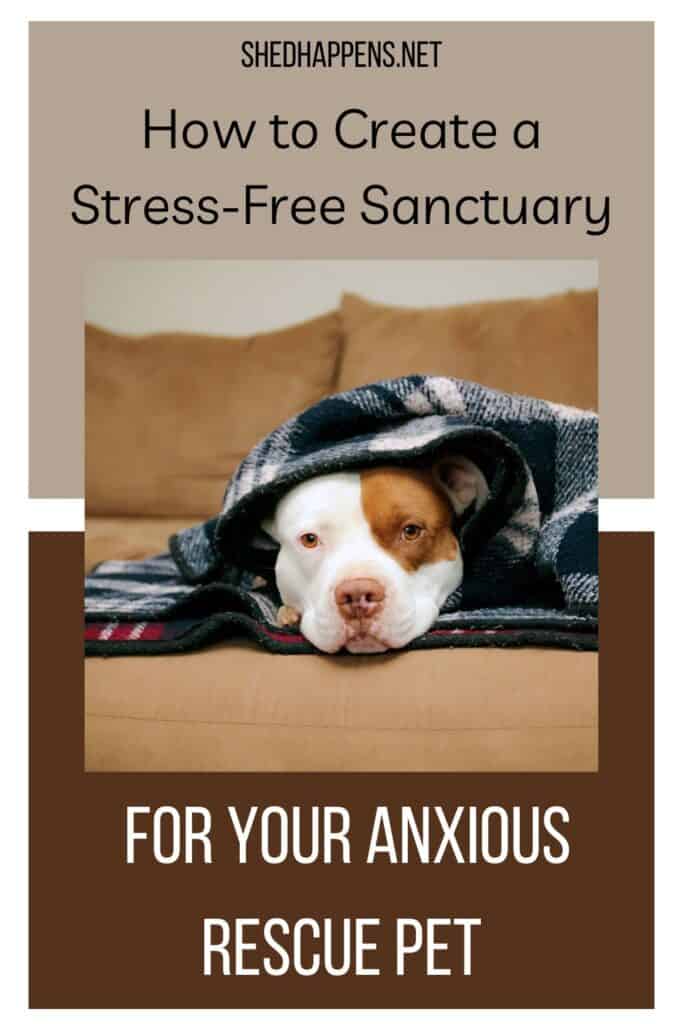
Adopting a rescue pet is an incredibly fulfilling experience, but there’s some work involved in making sure they feel safe and secure in your home.
Keep these tips in mind to create a stress-free sanctuary that will help your new pet feel comfortable and happy as they start to understand that they’ve found their forever family.
Feature Image Credit: Ali Peterson | Canva

About the Author
Indiana Lee is a writer from the Pacific Northwest who enjoys exploring the great outdoors with her two dogs. Connect with her on LinkedIn.
